 Corporate giving
 Sponsorship
 Legacy giving
 In memoriam
 Donate most needed food
 First Responders to Food Bank 365
 EAT 365
 Ways to give
 Host a food and fund drive
 Volunteer
 Events
 Advocate
 Get involved
 Mobile Pantry
 Food Recovery program
 Feed Collaboration
 Fresh Approaches Food Centre
 Perishable hamper line
 Our team
 Community Food Assistance Network
 Plans and reports
 Careers
Most needed food bank items to donate
Donate most needed food items to help The Food Bank of Waterloo Region provide safe, nourishing food to local food assistance programs serving individuals and families facing hunger across Kitchener, Waterloo, Cambridge, and the townships.
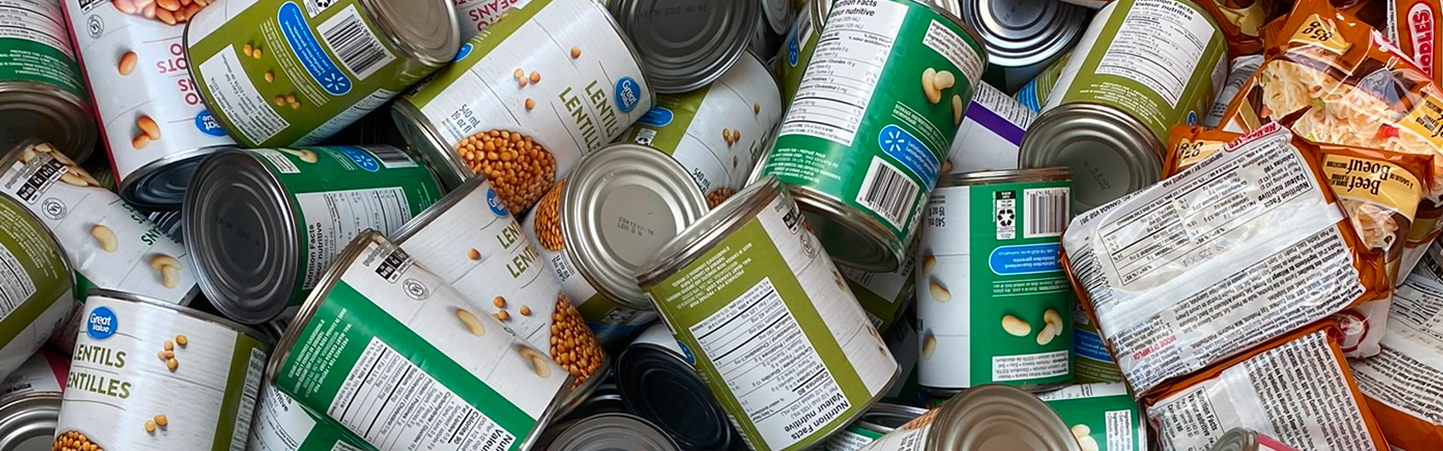
What type of food donation are you making?
01
I’m donating pantry items
Drop off unopened, non-perishable food items such as canned protein, rice, pasta, cereal, peanut butter, snacks, and other most-needed items.
See most needed items
02
I’m a business with surplus food
Farms, restaurants, grocery stores, food manufacturers, warehouses, distributors, & food service businesses can contact The Food Bank about surplus food donations.
Donate surplus food
03
I’m unsure what to give
Financial donations help The Food Bank buy high-demand food, support food recovery, and respond quickly when community need changes.
Donate funds
Most needed items

Canned fruits and vegetables

Canned meats and fish

Dry beans and pasta

Hot and cold cereal

Individually packed snacks (granola bars, apple sauce, pudding cups)

Jam/fruit spread

Pasta sauce

Peanut butter

Rice
Before you donate
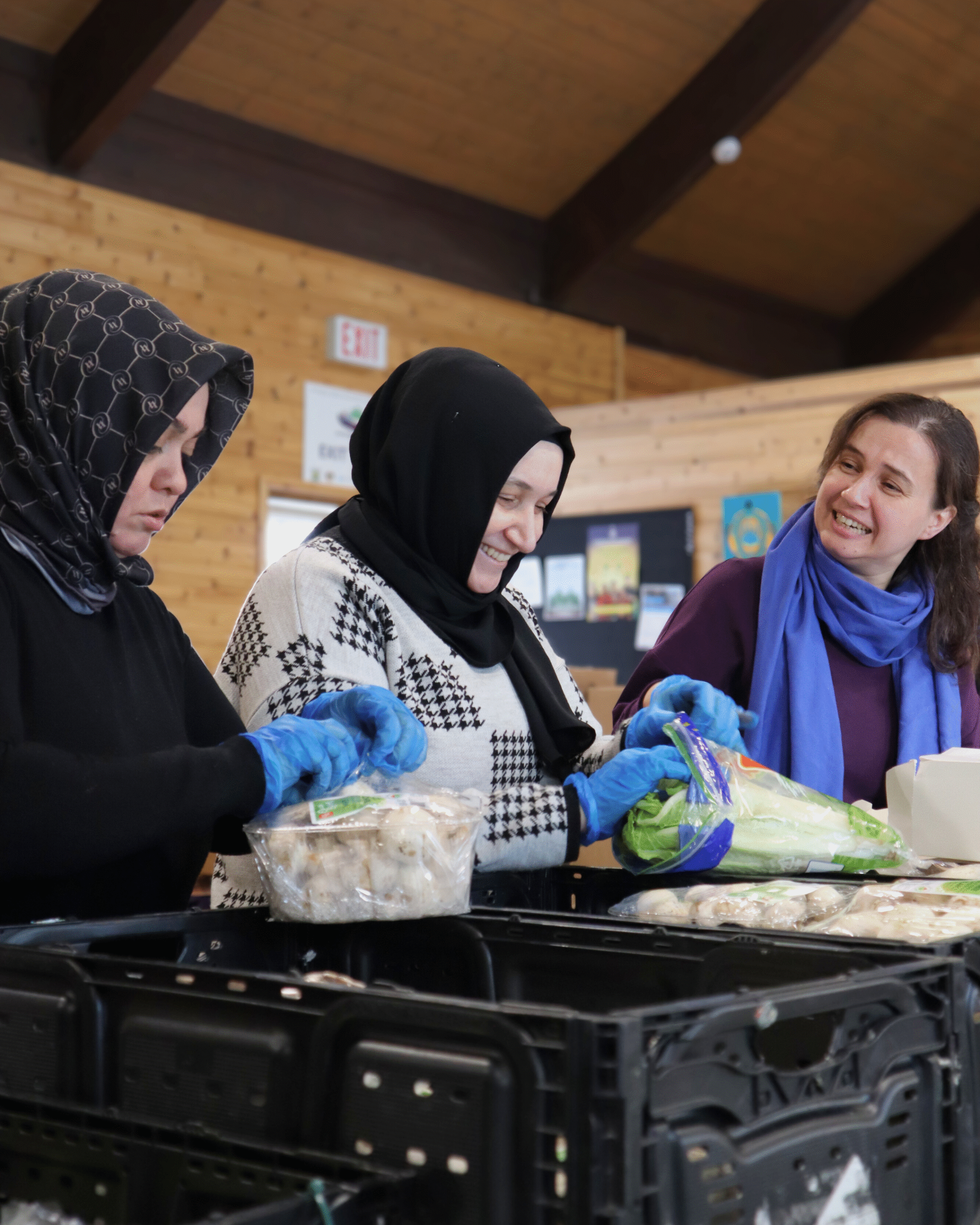
Please make sure your food donation is safe, unopened, clearly labelled, and suitable for community distribution. These food safety guidelines help protect neighbours accessing food assistance and ensure donated items can be shared quickly through local programs.
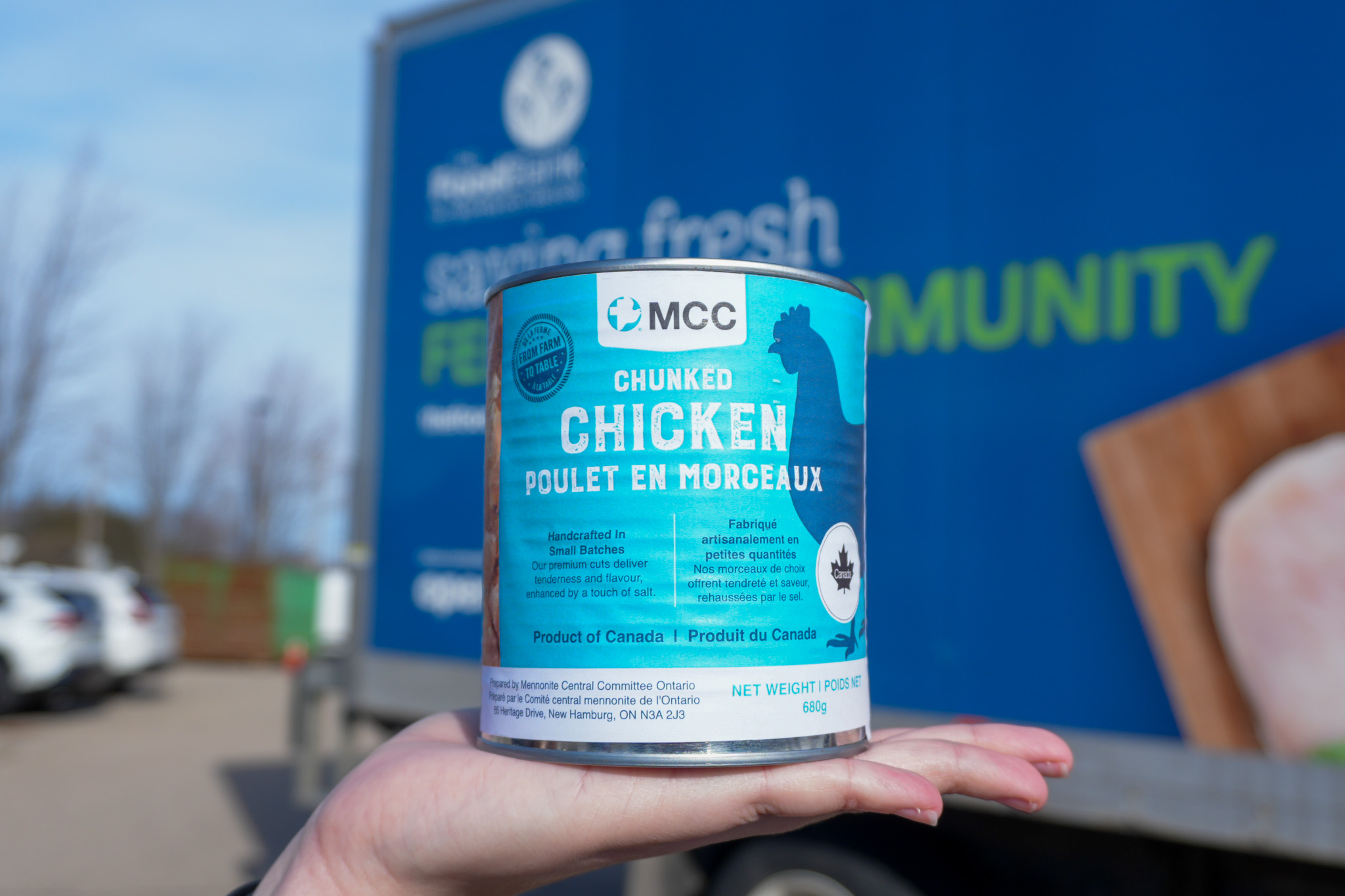
Donate sealed items
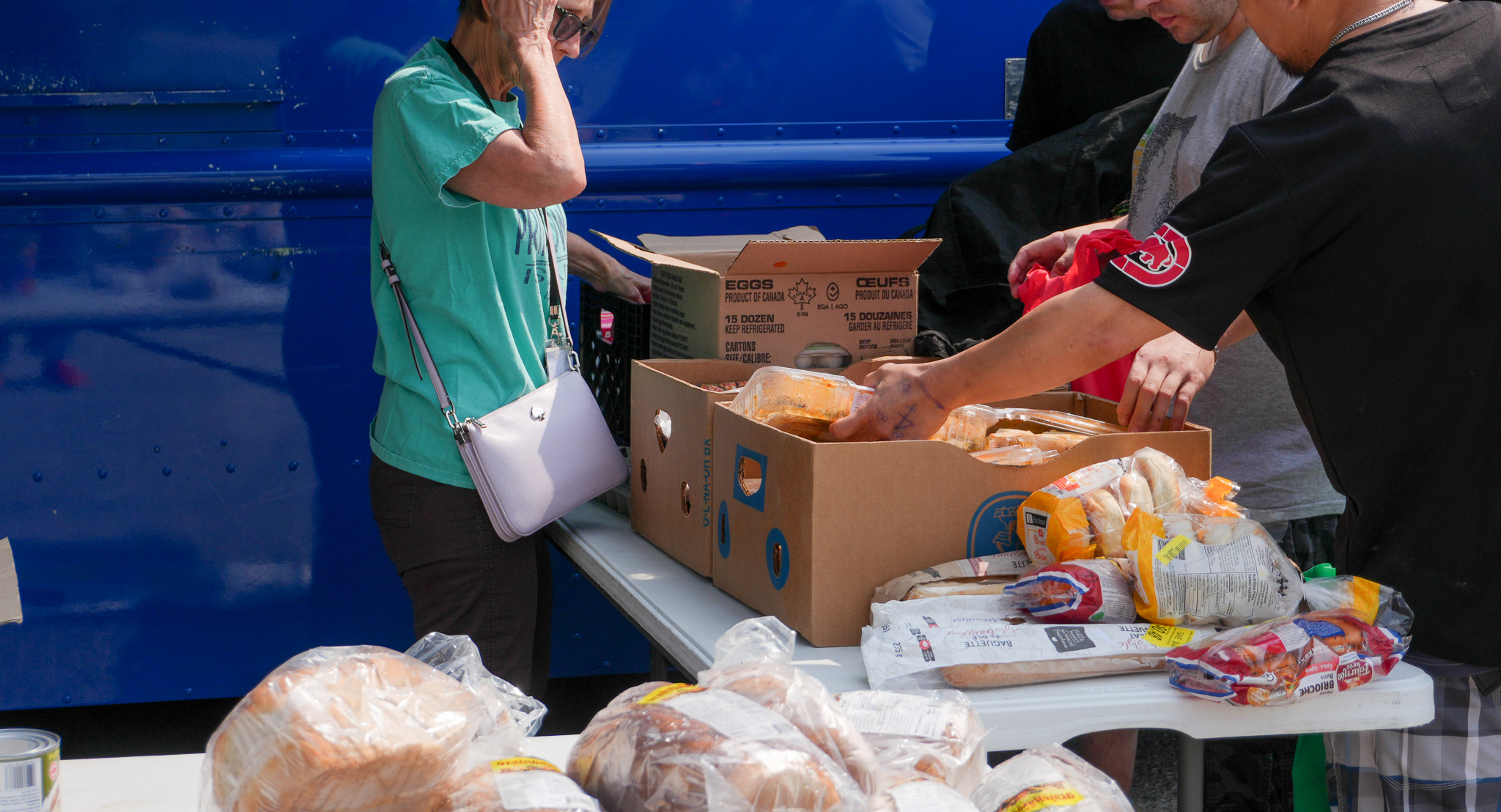
Check food quality
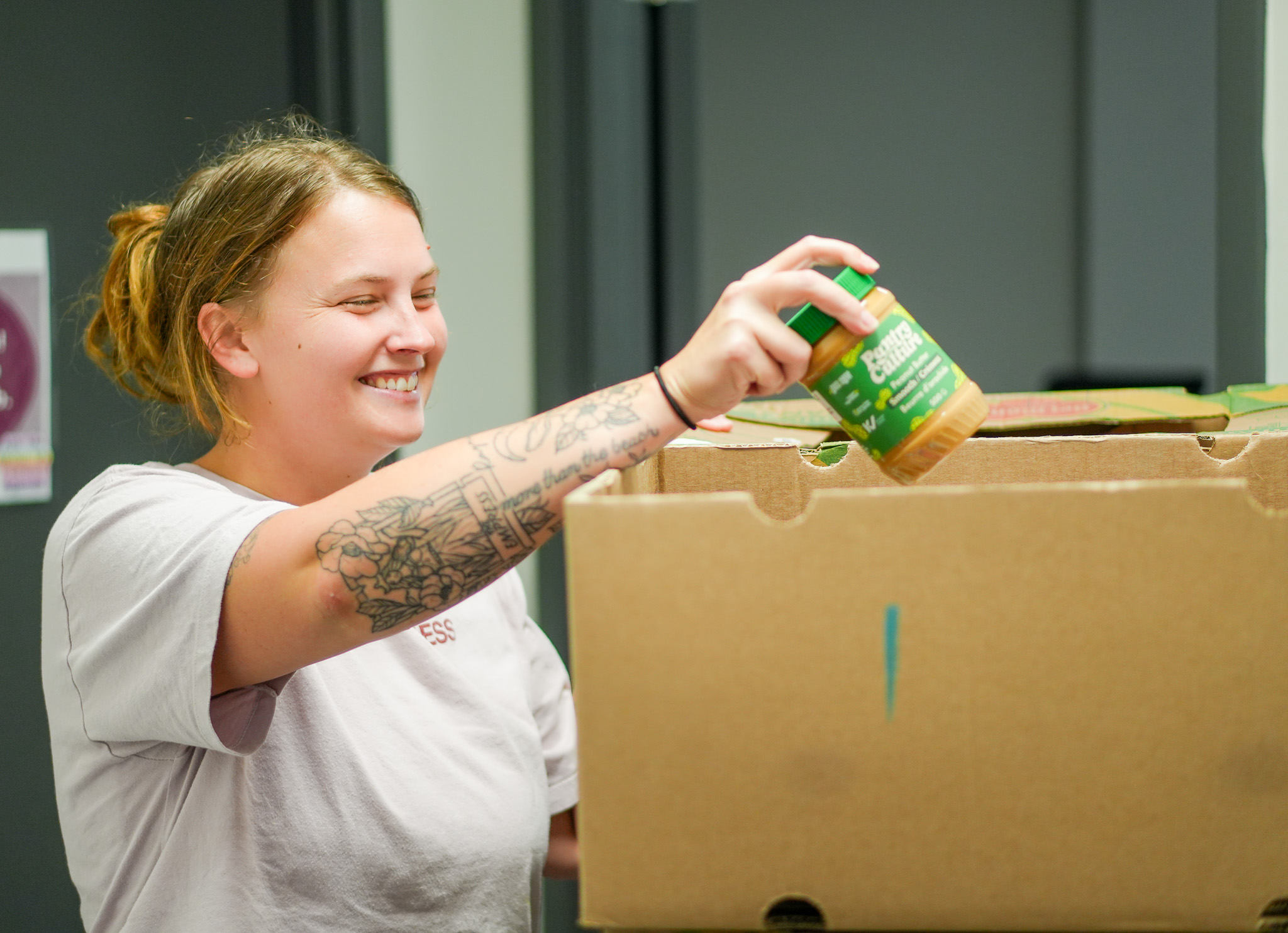
Prioritize pantry staples

Avoid homemade food
Review best-before dates
Contact us for large donations
Community donation
drop-off hours
Use the yellow Customer Service door and ring the bell at The Food Bank of Waterloo Region.
Closed on all Ontario statutory holidays.
Benefits of donating surplus and imperfect food
Surplus and imperfect food donations help reduce waste while quickly directing safe, nutritious, ready-to-use food to people facing food insecurity across Waterloo region. Redirecting surplus and imperfect product helps The Food Bank of Waterloo Region meet rising demand, strengthen local food assistance programs, and ensure more edible food reaches people in need instead of going to waste.
-
Reduce food waste
Reduce food waste and keep safe, edible food out of landfill
-
Feed neighbours in need
Support neighbours by providing meals and food hampers to individuals and families
-
Strengthen food programs
Help local food assistance programs access more ready-to-use food
-
Increase nutritious food access
Increase the availability of nutritious items, including fresh fruits and vegetables, lean proteins, and whole grains
-
Maximize charitable resources
Extend charitable resources by helping The Food Bank allocate more funding toward high-demand food purchases
-
Support local sustainability
Support local sustainability goals by redirecting surplus product where it is needed most
Donate surplus food from your business
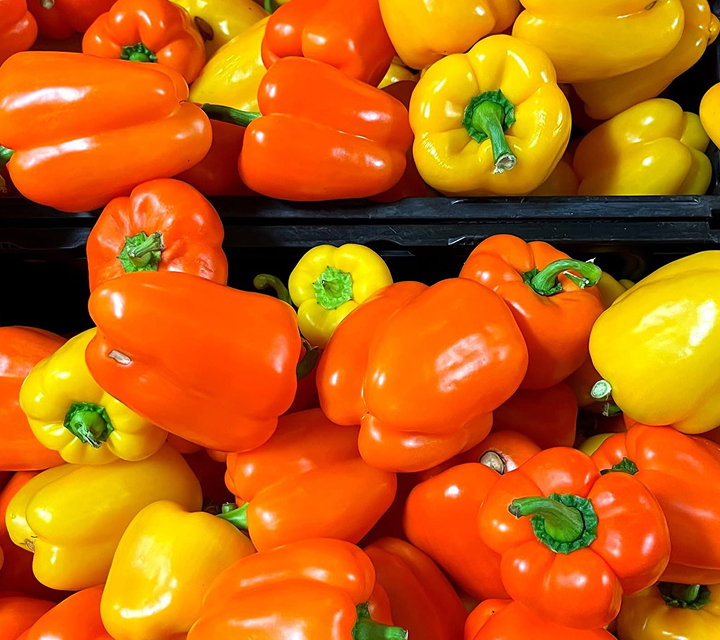
Businesses can help provide nutritious food to neighbours across Waterloo region by donating safe surplus food. The Food Bank works with farms, grocery stores, restaurants, food manufacturers, distributors, warehouses, and food service businesses to redirect edible food to local food assistance programs.
Surplus food donations reduce waste, support local sustainability goals, and increase access to fresh, frozen, prepared, and ready-to-use food for people facing food insecurity.
1. Farms and growers – Fresh produce and seasonal surplus
2. Grocery stores – Short-dated packaged, fresh, or frozen food
3. Restaurants and caterers – Prepared food that meets safety requirements
4. Food manufacturers – Overruns, cancelled orders, or safe surplus products
5. Warehouses and distributors – Excess inventory or large-volume donations
Frequently asked questions
-
What are the best food items to donate to a food bank?
The best food items to donate are unopened, non-perishable pantry staples that are nutritious, versatile, and have a long shelf life. Examples include canned meat and fish, canned fruits and vegetables, rice, pasta, dry beans, cereal, peanut butter, pasta sauce, and individually packaged snacks.
-
Where can I drop off food donations in Waterloo region?
Non-perishable food items can be dropped off at any grocery store or fire, police, or paramedic station in Kitchener-Waterloo. They can also be dropped off at The Food Bank of Waterloo Region’s 50 Alpine Court location during community drop-off hours.
-
Can I donate fresh food?
Yes. We accept fresh food from gardens, farmers, greenhouses, hydroponic growers, and retailers. Fresh food donations should be delivered directly to The Food Bank of Waterloo Region’s 50 Alpine Court location during community drop-off hours.
-
Can I donate frozen food?
Yes. We accept frozen food from farmers, greenhouses, hydroponic growers, retailers, processors, manufacturers, and distributors. Frozen food donations should be delivered directly to The Food Bank of Waterloo Region’s 50 Alpine Court location during community drop-off hours. To maintain food safety standards, donations must be transported in a dock-level, temperature-controlled truck maintained at -18°C or below. If you’re unable to arrange transportation, we may be able to pick up your donation. Call 519.743.5576 or email info@thefoodbank.ca to discuss pickup options and make arrangements.
-
Can I donate food past its best before date?
Yes. We accept many food items past their best before date. A best before date indicates how long a product will maintain its peak quality in taste, texture, and appearance. It doesn’t mean the food becomes unsafe after that date. Many foods are perfectly safe to eat well past their best before date. Please refer to our best before date guidelines for more information.
-
Can I donate expired food?
No. We cannot accept food that has passed its expiry date. Unlike a best before date, an expiry date indicates the last day a product is considered safe to consume.
-
Can I donate homemade food?
No. For food safety reasons, homemade food should not be donated. Please donate unopened, sealed food items in their original packaging.
-
Can I donate pet supplies?
Yes. We accept unopened pet food. Pet food donations can be dropped off at The Food Bank of Waterloo Region’s 50 Alpine Court location during community donation drop-off hours.
-
Can I donate non-food items?
Yes. We accept non-food items such as personal care products and cleaning supplies. Non-food donations can be dropped off at The Food Bank of Waterloo Region’s 50 Alpine Court location during community donation drop-off hours.