Corporate giving
 Sponsorship
 Legacy giving
 Donate most needed food
 First Responders to Food Bank 365
 EAT 365
 Host a food and fund drive
 Volunteer
 Events
 Advocate
 Mobile Pantry
 Food Recovery program
 Feed Collaboration
 Fresh Approaches Food Centre
 Perishable hamper line
 Community Food Assistance Network
 Our team
 Community Food Assistance Network
 Plans and reports
 Careers
It’s Nutrition Month—a nationwide campaign that highlights the importance of healthy eating and making informed food choices. But for the one in nine households in our community experiencing food insecurity, accessing nutritious food isn’t always possible.
In Waterloo region, nearly 73,000 people, including about 26,000 children, live in food-insecure households. For these individuals and families, affording nutritious food is a daily struggle—and it’s only getting more difficult. According to Canada’s Food Price Report 2026, food prices are expected to rise by four to six per cent this year. That means a family of four could spend close to $18,000 on groceries—almost $1,000 more than last year.
We often talk about healthy eating as a personal choice, but that framing ignores a harsh reality: many people simply cannot afford nutritious food. After paying rent, utilities, and transportation, low-income households have little left in their budgets for nutritious foods like fresh produce, lean proteins, and whole grains. Instead, many are forced to buy cheaper less healthy foods—not because they want to, but because it’s all they can afford.
Food insecurity isn’t caused by a lack of food in our community. It’s caused by lack of income. When wages, income supports, and housing costs don’t keep pace with the cost of living, food becomes the most flexible line in the budget and often the first thing families are forced to cut back on.
Access to nutritious food matters at every age and stage of life. For children, healthy eating supports physical growth, learning, and long-term development. For adults, it plays a critical role in preventing chronic disease, supporting mental well-being, and maintaining overall health.
At The Food Bank of Waterloo Region, we know that access to nutritious food is essential—not just for individual well-being but for building a healthier, stronger community. That’s why we’re committed to providing balanced food options for people accessing support through our partners in the Community Food Assistance Network.
Historically, hamper programs have offered a mix of fresh, non-perishable, and frozen foods, along with snacks and convenience items that are part of everyday diets. With the launch of our Nutritious Hamper program, we’re building on this approach by providing partner programs across Waterloo region with consistent access to more of these foods, aligned with Canada’s Food Guide. This helps ensure individuals and families across all programs have equitable access to nourishing, familiar food.
To help people make the most of the food they receive, we also share easy, nutritious, and budget-friendly meal ideas using common hamper items. While these recipes are designed to support people accessing food assistance, they’re useful for anyone looking for simple, wholesome meal ideas. Explore them at thefoodbank.ca/food.
This Nutrition Month, we’re also highlighting the ongoing work of community meal programs to make nutritious foods—like fruits, vegetables, eggs, and plant-based proteins—more accessible to everyone. Programs are sharing knowledge and best practices to support healthy choices.
Nutrition Month is a reminder that healthy eating shouldn’t be a privilege. If you’d like to help ensure everyone has access to nutritious food, you can drop off a non-perishable food item at any grocery store or police, fire, or paramedic station in Kitchener-Waterloo. Right now, canned vegetables are most needed, but canned fruits, beans, and fish are also excellent, healthy options.
Financial contributions are appreciated as well. You can donate online at thefoodbank.ca/donate. For every dollar donated, The Food Bank can provide two healthy, nutritious meals for someone in need.
Another way to help is by organizing a food and fund drive, collecting nutritious, non-perishable food items from family, friends, and co-workers. Learn more at thefoodbank.ca/ffd.
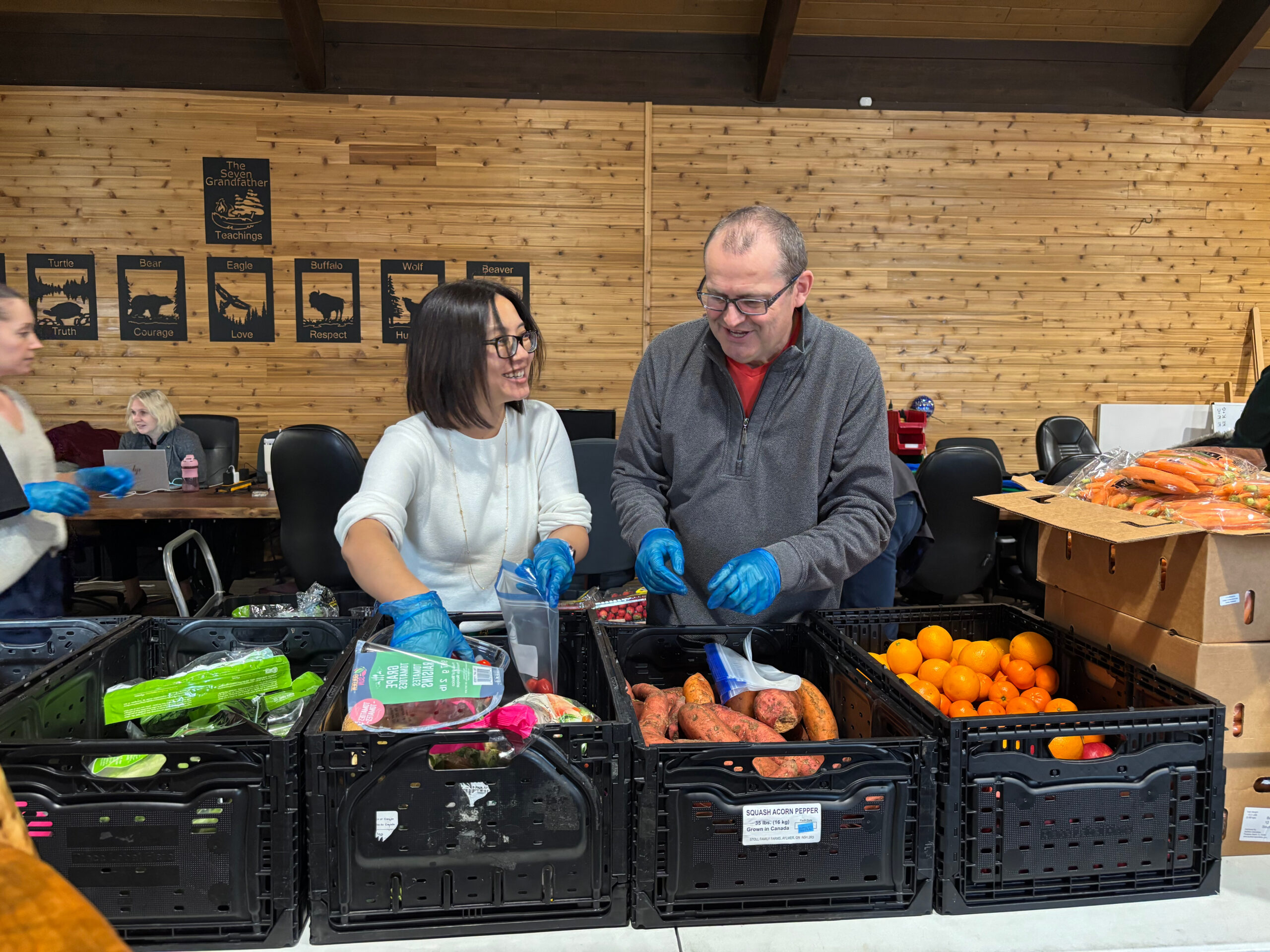
You can also volunteer your time to help get food where it’s needed most. Visit thefoodbank.ca/volunteer to explore the opportunities available.
Together, we can ensure that everyone in Waterloo region has access to the nutritious food they need to thrive—because healthy eating shouldn’t depend on your income level.
Kim Wilhelm, CEO, The Food Bank of Waterloo Region
Join the conversation
Share this article on social media!