Corporate giving
 Sponsorship
 Legacy giving
 In memoriam
 Donate most needed food
 First Responders to Food Bank 365
 EAT 365
 Ways to give
 Host a food and fund drive
 Volunteer
 Events
 Advocate
 Get involved
 Mobile Pantry
 Food Recovery program
 Feed Collaboration
 Fresh Approaches Food Centre
 Perishable hamper line
 Our team
 Community Food Assistance Network
 Plans and reports
 Careers
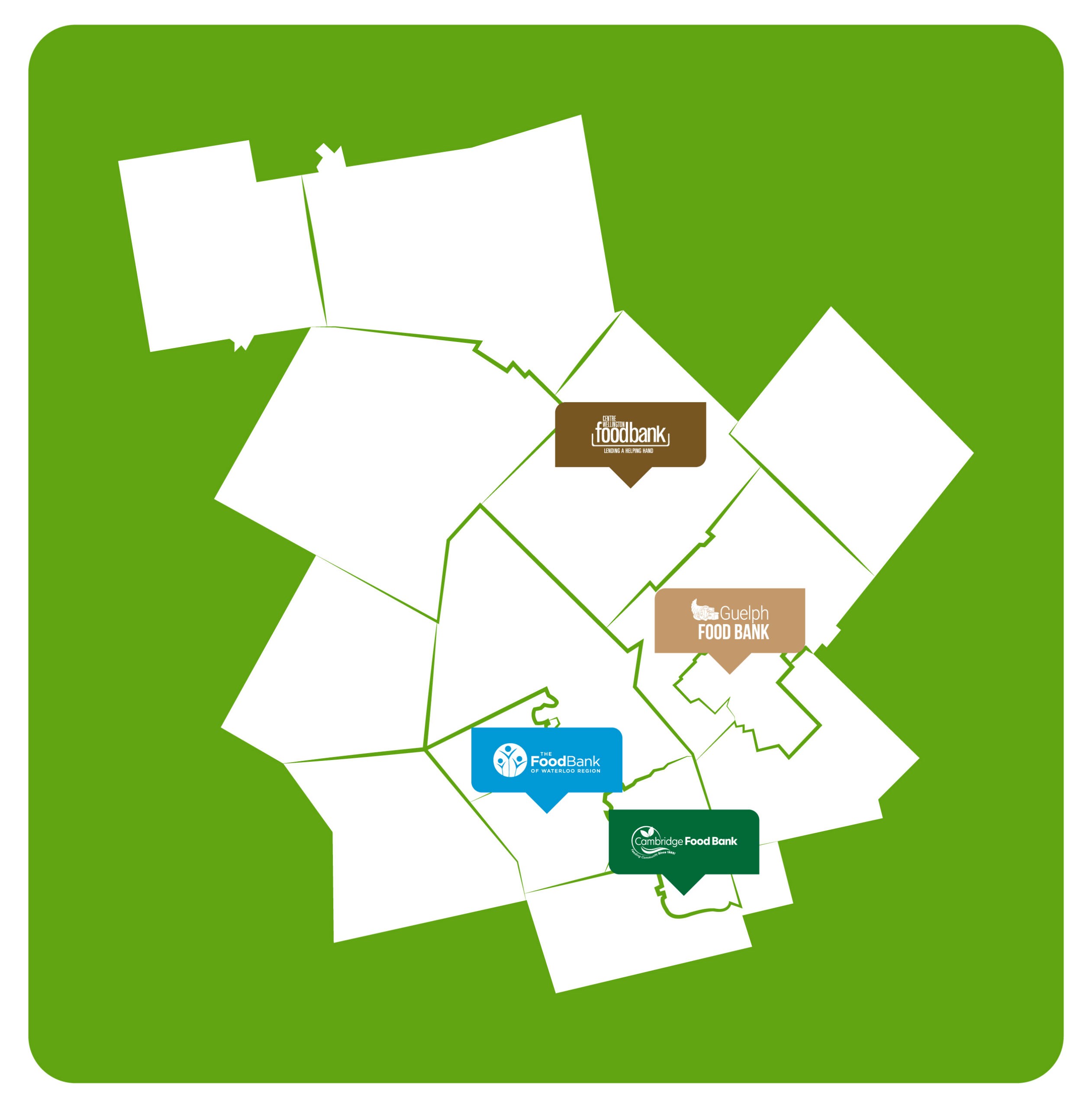
September is Hunger Action Month, a time to learn more about hunger in our community and take action to help. Here in Waterloo region, The Food Bank of Waterloo Region and Cambridge Food Bank are leading local Hunger Action Month activities to raise awareness and encourage action on the root causes of hunger.
The reality is that more people than ever are struggling to afford the basics. Last year alone, there were nearly 622,000 visits to food hamper programs across the region, a 205 per cent increase since 2019 and the highest number ever recorded.
There’s no shame in accessing food support from one of the 61 organizations in the Community Food Assistance Network. That’s why these food assistance programs exist: to help people through difficult times when life takes an unexpected turn. A job loss. An illness. A surprise expense. To provide short-term support during a period of crisis and help people get back on their feet.
That’s what food banks and food assistance programs were created for.
But increasingly, that’s not what we’re seeing.
Our data shows that more people are relying on food assistance for longer periods of time. Last year, more than 7,000 households accessed a hamper program over eight times—a 21 per cent increase from the year before.
For these households, food assistance is no longer a temporary support. Many people are struggling with the rising cost of living, low incomes, and high housing costs that leave little money left over for groceries.
Food programs provide essential support, but they cannot solve the root cause of hunger: poverty.
Reducing food insecurity takes more than food. Alongside Feed Ontario and Food Banks Canada, The Food Bank is calling on provincial and federal governments to invest in three long-term solutions: stronger income supports, more affordable housing, and jobs that pay a living wage.
People need enough income to cover basic necessities without having to choose between rent and groceries. They need access to safe, affordable housing so that rising housing costs do not push food out of reach. And they need jobs that provide financial stability and a pathway out of poverty.
Without meaningful action on income security, housing affordability, and wages, more households will continue to rely on food assistance and more people will be at risk of food insecurity.
While many of the decisions that affect food insecurity are made by provincial and federal governments, municipal leaders also have a role to play. They can raise awareness, speak up for community needs, and advocate for change. As municipal elections approach on October 26, we invite community members to visit thefoodbank.ca/advocate or cambridgefoodbank.org and complete a postcard sharing their experiences, concerns, or ideas about food insecurity. These postcards will be shared with newly elected mayors across the tri-cities and townships to help highlight the causes of food insecurity and the need for action.
In the meantime, we’ll continue working alongside community partners to ensure people across Waterloo region can access the food they need. This work is only possible because of the dedication of volunteers and the generosity of donors who contribute food, funds, and their time.
Donations of non-perishable food and financial support remain critical. Food can be dropped off at grocery stores throughout the region, and donations can be made online at thefoodbank.ca or cambridgefoodbank.org/donate-funds. Every dollar donated can help provide two meals for someone facing hunger.
Ending hunger in our community will require collective action. This Hunger Action Month is an opportunity to raise awareness, support local food assistance efforts, and advocate for long-term solutions that address the root causes of food insecurity. By working together, we can help people facing hunger today while building a future where fewer people need food assistance.
Kim Wilhelm is the CEO at The Food Bank of Waterloo Region.
Join the conversation
Share this article on social media!