Corporate giving
 Sponsorship
 Legacy giving
 In memoriam
 Donate most needed food
 First Responders to Food Bank 365
 EAT 365
 Ways to give
 Host a food and fund drive
 Volunteer
 Events
 Advocate
 Get involved
 Mobile Pantry
 Food Recovery program
 Feed Collaboration
 Fresh Approaches Food Centre
 Perishable hamper line
 Our team
 Community Food Assistance Network
 Plans and reports
 Careers
As published in The Record on October 19, 2026.
Canadians are throwing away money every single day.
At a time when the cost of living continues to rise and grocery bills are stretching household budgets, that may sound impossible. But it’s true.
Every day, perfectly good food is thrown out across the country.
The scale of this waste is staggering. Nearly half of all food produced in Canada, 46.5 per cent, is wasted (Source: Second Harvest and Value Chain Management International). That’s 21.18 million metric tonnes every year, or roughly the equivalent of 1.4 million fully loaded school buses filled with edible food that goes uneaten.
When food is wasted, we’re not just throwing away what could’ve filled our bowls, plates, and bellies. We’re throwing away the money spent on that food, the labour that produced it, and the resources required to grow, process, package, and transport it. Food waste also contributes to greenhouse gas emissions, creating environmental impacts that could have been avoided.
Perhaps most troubling is that this waste exists alongside growing food insecurity. While edible food goes uneaten, many Canadians are struggling to put food on the table. In Waterloo region, nearly 73,000 people are accessing food assistance through The Food Bank of Waterloo Region’s Community Food Assistance Network.
From October 19 to 25, Canadians will mark Waste Reduction Week, a national campaign that encourages us to reflect on what we throw away and the impact those choices have on our wallets, our communities, and our environment.
The good news is that food waste is not inevitable. Each of us has the power to waste less, save more, and make better use of the food we bring home.
One of the simplest ways to reduce food waste is to spend a few minutes meal planning before grocery shopping. Start by checking your refrigerator, freezer, and pantry to see what you already have. Then build your shopping list around those ingredients and plan meals that use foods that are closest to spoiling first. If you’re looking for inspiration, visit thefoodbank.ca/library for plenty of healthy and budget-friendly meal ideas.
Your freezer can also be one of the most effective tools in the fight against food waste. Leftovers that won’t be eaten within a few days can be frozen for future meals. Extra portions of soup, chili, and pasta sauce freeze well, as do many fruits, vegetables, and baked goods. Freezing food extends its life, gives you convenient meal options for busy days, and helps ensure that good food doesn’t go unused.
Understanding best-before dates is another important step. A best-before date indicates when a product is expected to maintain its best quality in terms of taste, texture, and appearance. It doesn’t mean food suddenly becomes unsafe once that date passes. When stored properly, many foods remain safe to eat well beyond their best-before date.
Expiry dates are different. They indicate the last day a product should be consumed.
At The Food Bank, we safely distribute many non-perishable food items past their best-before dates. As an affiliate of Food Banks Canada, we follow national guidelines that allow canned goods to be distributed up to two years past their best-before date, boxed and bagged items up to one year, salad dressings and mayonnaise up to six months, and natural peanut butter and tetra packs up to three months. Baby food, infant formula, and meal replacements are exceptions and can never be used after their expiry date.
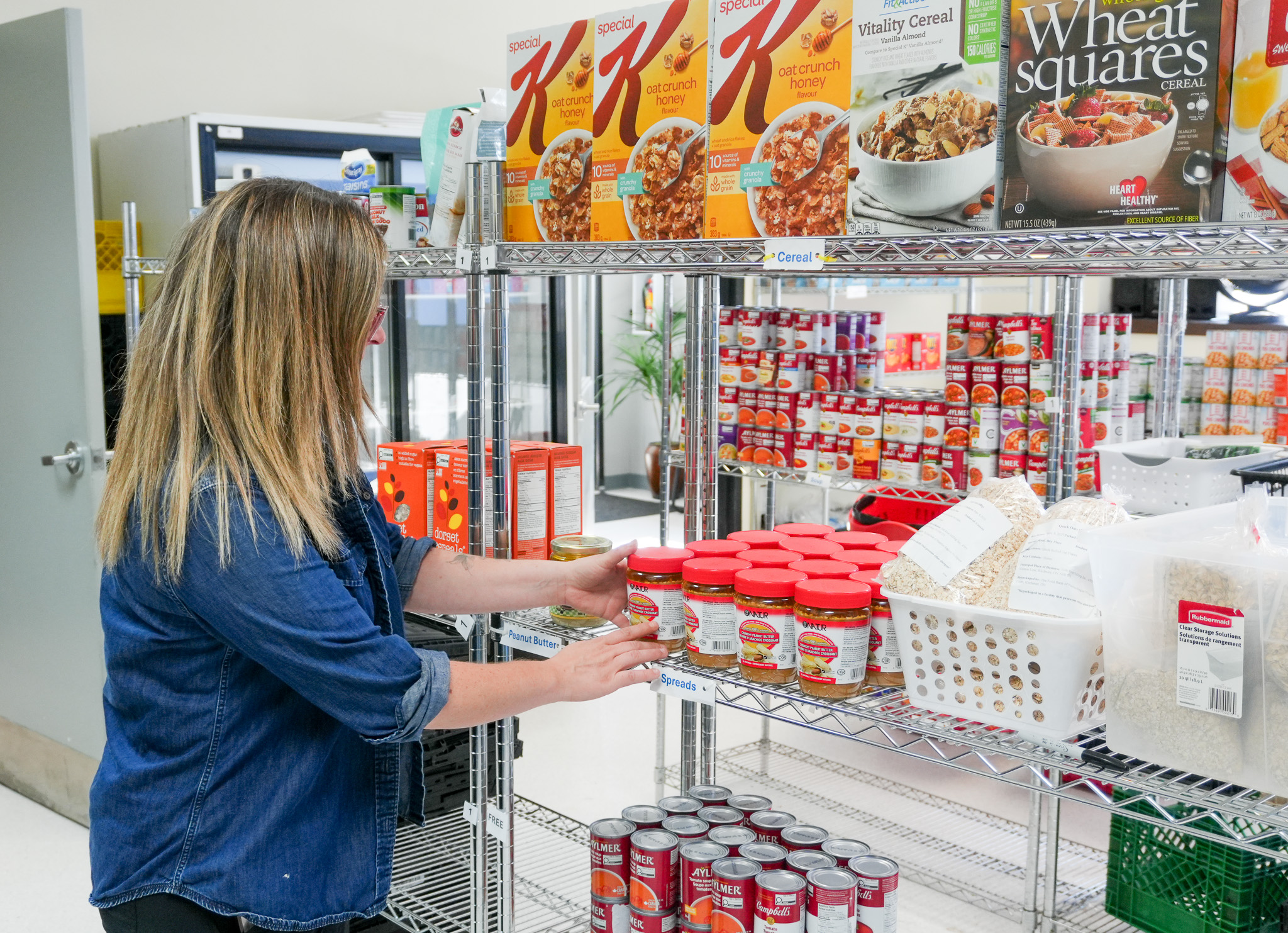
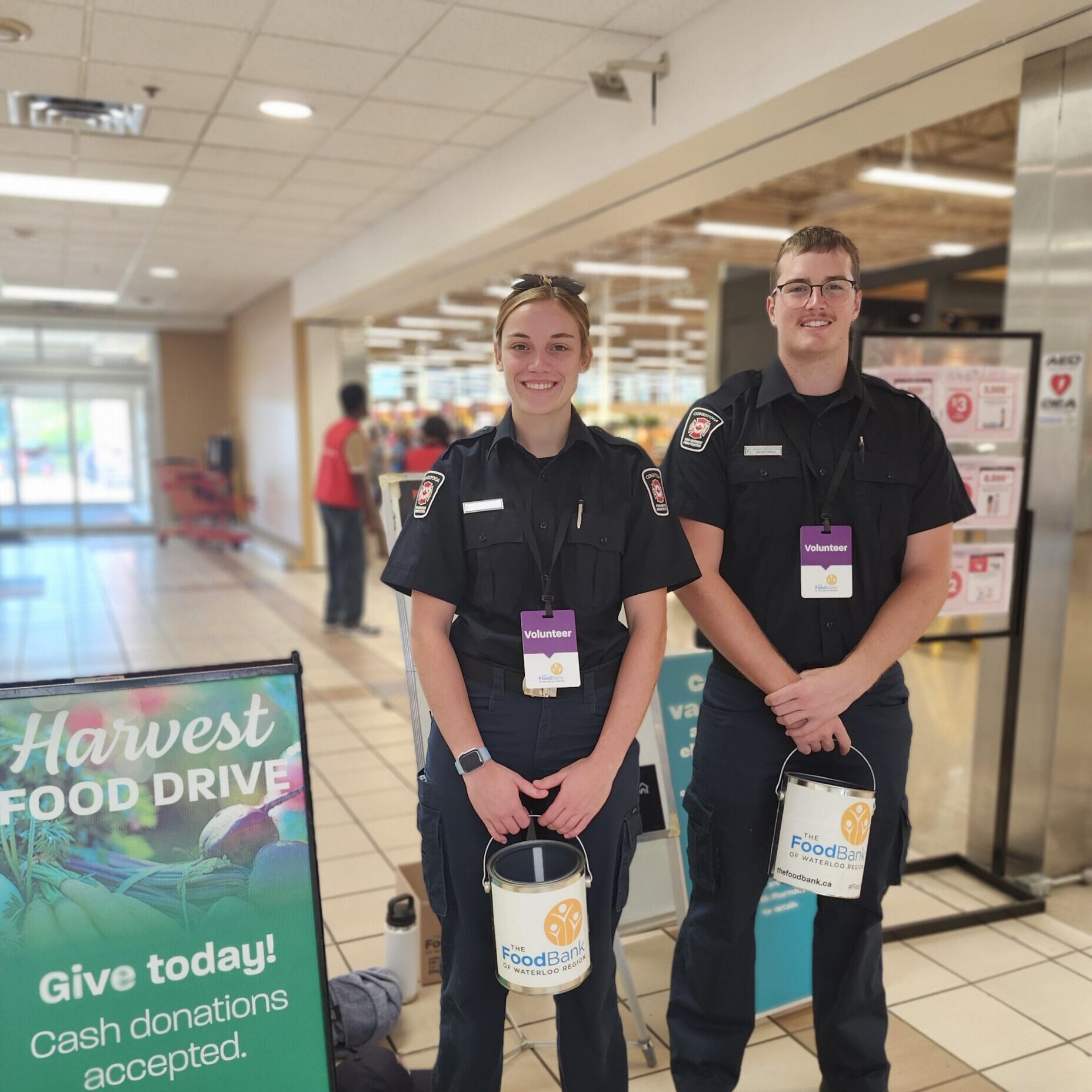
Following these guidelines at home can help you waste less and get more value from the groceries you buy. You can also use this knowledge when choosing non-perishable food items to donate to The Food Bank. Non-perishable food donations can be dropped off at any grocery store or fire, police, or paramedic station in Kitchener-Waterloo. They can also be brought to The Food Bank located at 50 Alpine Court in Kitchener.
The Food Bank also helps address both hunger and food waste through its Food Recovery program. Last year, the program recovered nearly seven million pounds of surplus food from farmers, manufacturers, distributors, retailers, and other partners, ensuring nutritious food reached people in need instead of ending up in landfill.
We all have a role to play in reducing food waste. This Waste Reduction Week, I invite you to pause and consider how much food you throw away—and whether it could instead help nourish your family or another family in need.
Kim Wilhelm is the CEO at The Food Bank of Waterloo Region.
Join the conversation
Share this article on social media!